FQM Partners with Banks to Expand Financing for Zambian Suppliers
FQM Partners with Five Banks to Improve Financing Access for Zambian Mining Suppliers
First Quantum Minerals (FQM) has partnered with five commercial banks to improve access to financing for Zambian-owned companies supplying goods and services to the mining industry.
The initiative has been welcomed by the Association of Mine Suppliers and Contractors, which says improved access to affordable credit could enable more local businesses to compete for contracts and expand their operations.
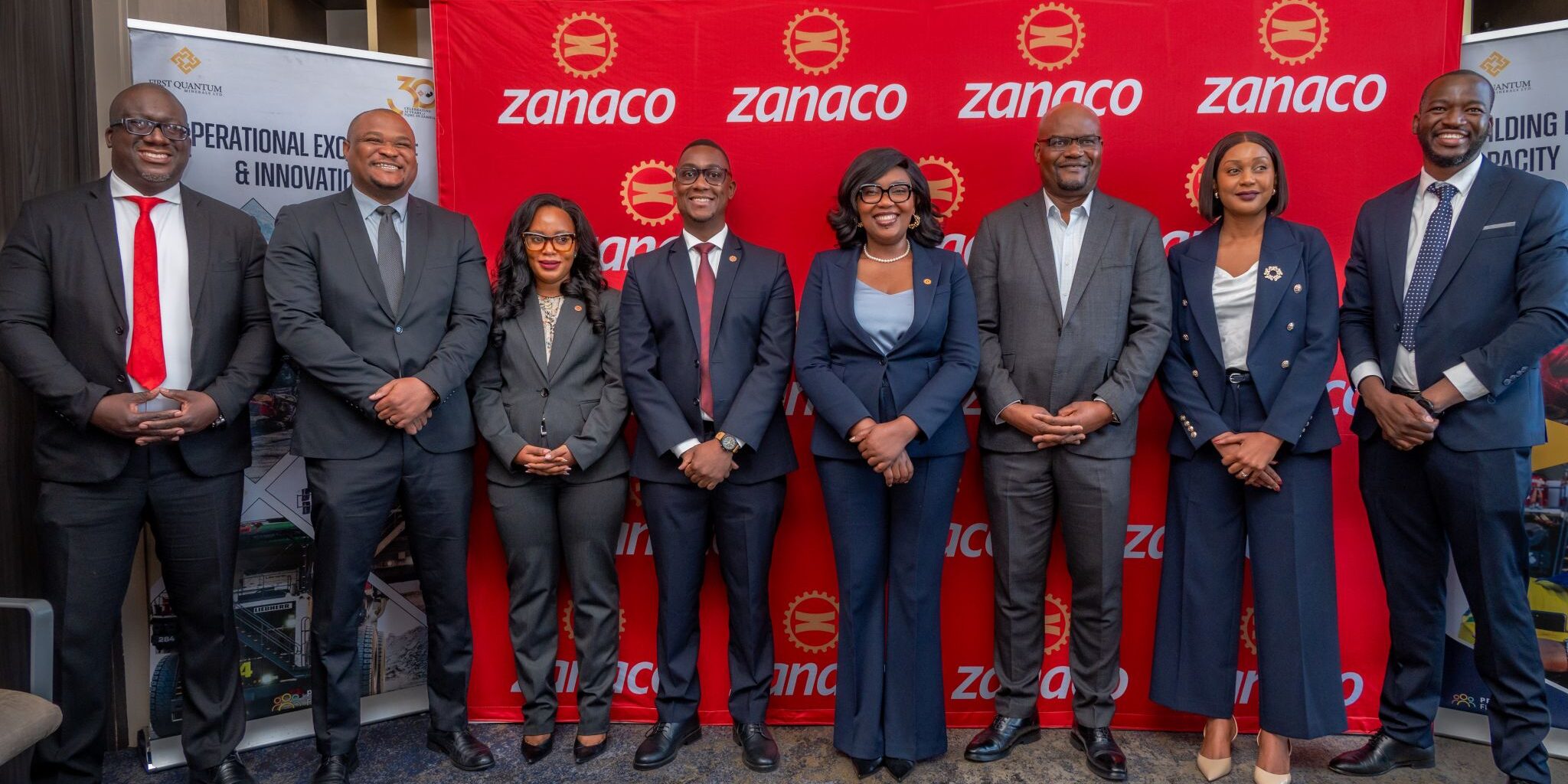
FQM recently signed a memorandum of understanding with Zanaco, First National Bank (FNB), Absa, Stanbic Bank and Inde Credit to develop and deliver financing solutions tailored to the needs of Zambian-owned companies.
Association president Costa Mwaba said the arrangement could address one of the major challenges facing local suppliers: limited access to affordable working capital.
Mwaba said the partnership could allow participating banks to assess the risk of eligible suppliers using their commercial relationship with FQM and the strength of the mining company’s credit profile.
This could make it easier for suppliers with confirmed orders or contracts to secure financing needed to purchase materials, pay employees and meet other costs associated with fulfilling mining contracts.
Such financing is particularly important for smaller businesses that may receive sizeable orders but lack sufficient working capital to execute them.
Banks already offer products such as purchase-order and invoice financing, which can help suppliers convert confirmed contracts and receivables into working capital.
For businesses supplying large mining companies, access to this type of financing can also help reduce the gap between the time a supplier incurs costs and when it receives payment.
The scale of FQM’s procurement creates significant opportunities for Zambian businesses.
The company spent about $2 billion on goods and services in Zambia last year, according to Mwaba.
He said improved access to financing would allow more local companies to take advantage of this spending by increasing their capacity, fulfilling larger orders and investing in equipment and other productive assets.
The initiative could also help address a common challenge in mining procurement, where local businesses may have the technical capacity to provide a service but lack the financial resources required to meet the scale, compliance and performance requirements of major mining companies.
Mwaba said the financing arrangement would therefore help Zambian suppliers strengthen their businesses and improve their ability to meet FQM’s requirements.
Greater participation by Zambian-owned companies in the mining supply chain could have wider economic benefits beyond individual contracts.
As local suppliers secure more business, they can potentially expand their workforces, invest in equipment, develop technical skills and increase their contribution to the domestic tax base.
The Association of Mine Suppliers and Contractors believes the financing initiative could therefore strengthen the broader ecosystem around Zambia’s mining industry by enabling more businesses to progress from small-scale suppliers into larger and more competitive enterprises.
The partnership between FQM and the five financial institutions represents an effort to address the financing barrier alongside the procurement opportunities available in the mining sector.
Its effectiveness will ultimately depend on the financing products developed, the terms offered to eligible businesses and the ability of local suppliers to meet the required financial, technical and compliance standards.