Zambia looks to Ghana as it targets $1.8 billion from small-scale gold trade
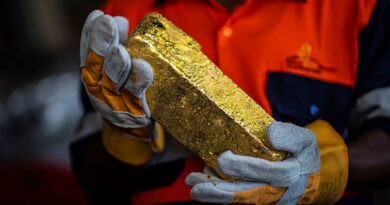
Zambia is turning to Ghana for a blueprint to formalise its largely informal small-scale gold industry, with state-owned ZCCM Investments Holdings (ZCCM-IH) saying the move could unlock more than $1.8 billion in value and significantly increase officially recorded gold exports.
The scale of the opportunity is illustrated by a striking gap in international trade data. According to World Integrated Trade Solution figures cited in reports by Bloomberg and other publications, the United Arab Emirates recorded almost $1.8 billion in gold imports from Zambia in 2023, while Hong Kong reported a further $108 million. Zambia’s central bank, however, recorded official gold exports of less than $128 million that year.
ZCCM-IH chief executive Kakenenwa Muyangwa says bringing informal production and trading into regulated channels could allow Zambia to capture much more of the value generated by its gold resources.
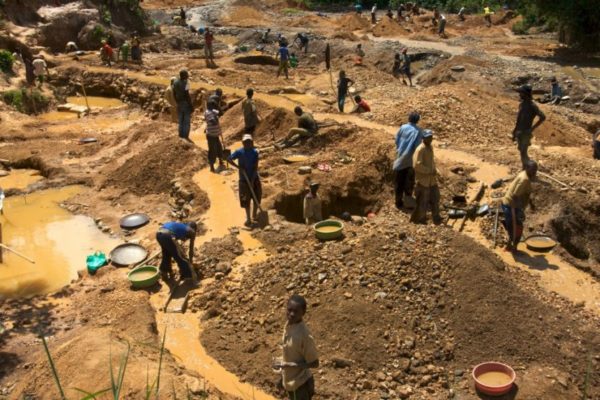
The company is looking to Ghana, where the government has used the state-owned Ghana Gold Board, or GoldBod, to bring artisanal and small-scale gold production into a more structured purchasing and trading system.
Ghana’s experience provides an attractive example. Small-scale gold production there overtook output from large-scale producers last year and generated about $10.8 billion in foreign exchange, according to reports citing Bloomberg.
The formalisation drive has also been credited with strengthening the country’s official gold trade and contributing to increased foreign-exchange reserves.
For Zambia, ZCCM-IH has already begun putting elements of such a system in place. The company has partnered with Mining Mineral Resources to produce and purchase gold from artisanal miners in North-Western Province and operates a similar arrangement through Kamunshinshi Mineral Resources.
It has also established a commercial gold-trading unit intended to buy gold from producers in other parts of the country.
Muyangwa believes Zambia could raise annual gold production to several hundred thousand ounces from about 127,000 ounces in 2025. High international gold prices are adding urgency to the initiative, creating a potentially favourable environment for miners and traders.
But the $1.8 billion figure should be viewed as an opportunity rather than a guaranteed annual windfall. The difference between Zambia’s reported exports and partner-country import figures demonstrates the scale of trade that may be outside official channels, but it does not by itself establish that the entire discrepancy represents Zambian artisanal production or revenue that the government can immediately capture.
The challenge will therefore be to make formalisation attractive to small-scale miners while improving traceability, access to legitimate buyers and regulatory oversight. Ghana’s model offers a reference point, but Zambia will have to adapt it to its own mining sector and trading networks.
For a country whose mining economy remains heavily dependent on copper, the push into gold also represents a broader diversification strategy.
If ZCCM-IH can bring more informal production into the formal economy, Zambia could gain not only additional export earnings but also greater visibility over a gold trade that currently appears to extend well beyond its official statistics.