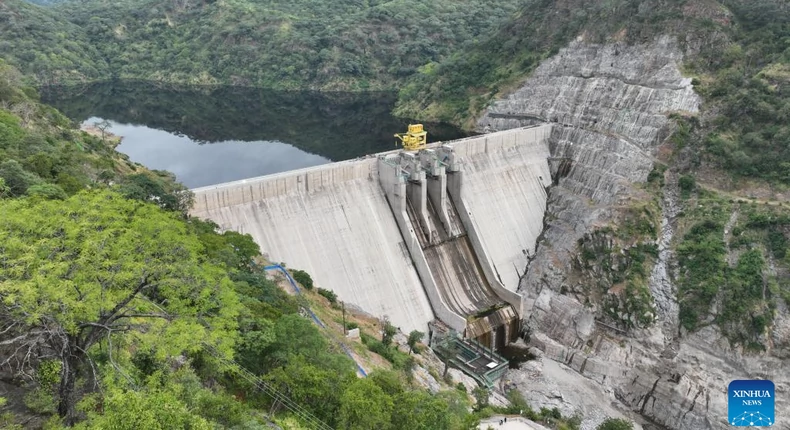
ZRA Reduces 2027 Kariba Dam Water Allocation to 23 Billion Cubic Metres Amid El Niño Concerns
Kariba Dam Water Allocation Cut by 36% for 2027 as El Niño Threatens Regional Power Supply
The Zambezi River Authority (ZRA) has significantly reduced water allocations for power generation at Lake Kariba in 2027, citing forecasts of below-normal rainfall and intensifying El Niño conditions that could place renewed pressure on the region’s electricity supply.
The Authority has approved a combined allocation of 23 billion cubic metres (BCM) of water for hydropower generation next year, representing a sharp decline from the 36 BCM allocated for 2026.
The allocation will be shared equally between ZESCO Limited in Zambia and the Zimbabwe Power Company (ZPC), with each utility receiving 11.5 BCM to operate their respective power stations at Kariba Dam.
According to the ZRA, the decision was informed by forecasts presented during the 33rd Southern Africa Regional Climate Outlook Forum (SARCOF-33), as well as projections from meteorological agencies in Zambia and Zimbabwe and the Authority’s own hydrological assessments.
Climate models indicate an increased likelihood of below-normal rainfall across much of southern and central Africa during the 2026/2027 rainy season, largely linked to strengthening El Niño conditions in the Pacific Ocean.
For southern Zambia and large parts of Zimbabwe, rainfall is expected to be below average during the opening months of the season, with dry conditions potentially persisting through the first quarter of 2027.
These forecasts have raised concerns about future inflows into Lake Kariba, one of Southern Africa’s most important sources of hydroelectric power.
The reduced water allocation highlights the delicate balance between preserving reservoir levels and maintaining electricity generation for two countries heavily reliant on hydropower.
The ZRA projects that implementation of the 2027 allocation will leave 5.83 BCM of usable water in Lake Kariba by the end of next year, equivalent to approximately 9% of live storage capacity.
Reservoir levels are expected to decline to 476.80 metres above sea level by December 31, 2027.
The development could have important implications for energy security in both Zambia and Zimbabwe, particularly as the region continues to experience rising electricity demand from mining, industrial and household consumers.
Water Levels Remain Better Than Last Year
Despite the cautious outlook for 2027, Lake Kariba’s current water position is significantly stronger than it was a year ago.
The Authority expects the reservoir to close 2026 with approximately 16.24 BCM of usable water, equivalent to 25.1% of live storage, providing a stronger starting position for the new allocation period.
As of October 14, 2026, Lake Kariba held 23.77 BCM of usable water, representing 36.68% of usable storage capacity, compared with only 8.25 BCM or 12.75% recorded on the same date in 2025.
Water levels stood at 480.65 metres above sea level, substantially higher than the 477.34 metres recorded a year earlier.
The improvement follows strong inflows during the 2025/2026 rainy season, which enabled the Authority to increase the 2026 allocation from an initial 30 BCM to 36 BCM. Under the revised allocation, both ZESCO and ZPC received 18 BCM each.
Utilities Expected to Manage Resources Carefully
As of mid-October, ZESCO had approximately 3.53 BCM of water remaining from its 2026 allocation, while ZPC had 6.13 BCM still available.
The ZRA said it will continue monitoring water utilisation on a daily basis and coordinating closely with both power utilities to ensure compliance and support timely operational decisions as conditions evolve.
With climate forecasts pointing to another potentially challenging rainfall season, the reduced allocation underscores the growing vulnerability of Southern Africa’s hydropower systems to weather-related risks and highlights the importance of diversifying electricity generation sources across the region.