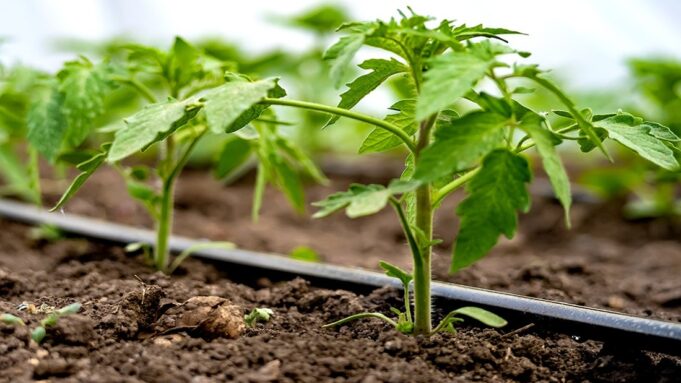
Drip Irrigation Reshaping Zambia’s Horticulture Future
As climate variability continues to disrupt traditional farming systems, Zambia’s horticultural sector is increasingly turning to precision irrigation to protect yields, sustain livestock production and strengthen food security.
Growers across the country face mounting water availability and irrigation challenges, with inconsistent rainfall and limited irrigation infrastructure threatening agricultural productivity. Precision irrigation solutions from Netafim are emerging as a critical response, enabling farmers to use water more efficiently while adopting more sustainable production practices.
Netafim’s Technical Advisor, David Nganga stated that even in seasons with good rainfall, structural water challenges remain. “Although excellent rains have fallen this season, the main water and irrigation challenges in Zambia include water scarcity, with insufficient water supply for agriculture across the country for both livestock and crop production; erratic weather patterns, such as droughts and unpredictable rainfall affecting crop yields and food security and limited access to irrigation, as many farmers still depend on rain-fed agriculture, making the industry vulnerable to climate change.”
These challenges are compounded by Zambia’s low irrigation coverage. According to Good Governance Africa, despite the country’s strong agricultural potential, only about 4% of Zambia’s arable land is irrigated, leaving the vast majority of crops exposed to droughts and water shortages. For horticultural farmers, this vulnerability directly affects both productivity and profitability. Reliable, efficient irrigation has become essential not only to stabilise yields but also to support long-term business viability.
Premium Fresh Harvest’s Co-owner and Operations Manager, Hellen Kabesh shared that Netafim’s precision irrigation technologies have fundamentally changed how the farm operates, allowing for better water management, improved crop performance and greater resilience against unpredictable weather patterns. As climate pressures intensify, the adoption of drip and precision irrigation is increasingly seen as a turning point for Zambia’s horticulture sector, shifting farming away from dependence on rainfall and towards controlled, efficient and climate-smart production systems.