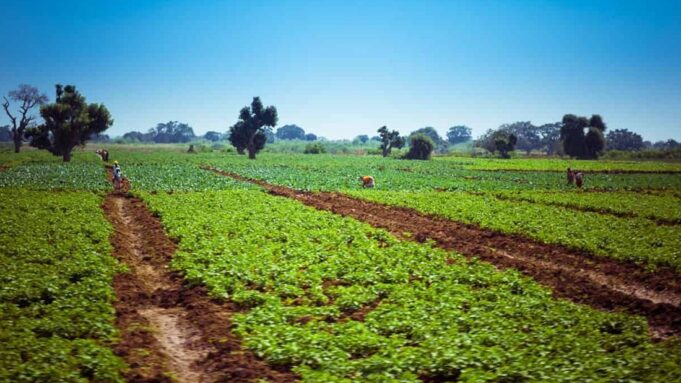
Angola and Brazil Put 800,000 Hectares in Play for Agribusiness
Angola is putting land, capital and Brazilian agricultural expertise behind an ambitious drive to expand grain production, with a new cooperation framework setting the stage for large-scale farming projects from 2027. Angola and Brazil signed a farm investment memorandum of understanding in Luanda on 15 September 2026, targeting cereals and grains including beans, rice, soybeans and peanuts.
Signed by Angola’s Minister of Agriculture Isaac dos Anjos and Brazil’s Minister of Agriculture André de Paula, the agreement moves bilateral agribusiness cooperation beyond trade towards production on Angolan soil. The memorandum falls under the Programme for Productive Agricultural Investment Brazil–Angola, which brings governments, private operators and financial institutions into a framework for developing agricultural projects and mobilising investment. At the centre of the initial programme is Terra Lunda, a 20,000 hectare grain project in Lunda Norte province with an estimated investment envelope of about $83.2 million.
The project is scheduled to run from 2027 to 2030, bringing approximately 5,000 hectares into production each year. Angola has framed the scheme as an integrated crop and livestock initiative that will also test Brazilian agronomic practices under local conditions and build domestic technical capacity. The ambition extends well beyond the pilot. Angolan authorities have identified around 800,000 hectares of arable land for surveying, spatial planning and potential Brazilian-led agricultural enterprises, with grain and protein production at the centre of the programme.
The push forms part of Angola’s broader effort to diversify its economy beyond oil while increasing domestic food production and reducing reliance on imports. Financing structures are also being developed around the agricultural programme. An indicative blended model would see Brazil’s development bank BNDES provide about 45% of project funding, while Brazil’s export financing programme BB Proex would contribute 23%. Angola’s Sovereign Wealth Fund would provide around 17%, the Development Bank of Angola about 5% and producers the remaining 10%.
BNDES is also preparing to resume project financing in Angola, with agriculture identified as a focus, potentially giving investors access to credit lines and export-finance support. The emerging framework gives the partnership a more commercial structure, connecting Angola’s agricultural land and investment ambitions with Brazilian production expertise and financing mechanisms. The scale of the land allocation, however, makes implementation critical. The next phase will determine how quickly projects such as Terra Lunda move from agreed frameworks to operational farms, financed investments and measurable production.